Skip to content
Living with Polycystic Ovary Syndrome (PCOS) can present unique challenges, from managing insulin resistance and hormone imbalances to navigating persistent cravings and fatigue. I know firsthand the desire for delicious, easy-to-prepare solutions that genuinely support your well-being. That’s why I’m thrilled to share my go-to PCOS smoothie recipe, a cornerstone for anyone seeking to embrace a balanced diet. This powerful blend isn’t just a tasty treat; it’s specifically designed to aid in blood sugar control and combat inflammation. In this article, I’ll provide not only the recipe but also a comprehensive guide to maximizing your smoothie’s benefits, including a unique flavor twist and all my expert tips for success.
Why You’ll Love This Blood Sugar-Balancing PCOS Smoothie
In my kitchen, I’m always looking for ways to enhance flavor and function, and this PCOS smoothie is a perfect example. My unique twist lies in the addition of 1/4 teaspoon of freshly grated ginger and a pinch of black pepper. This isn’t just for taste; there’s brilliant scientific logic behind it!
- Fresh, Spicy Kick: The ginger introduces a vibrant, slightly spicy flavor that beautifully complements the blueberries and cocoa, elevating your morning routine.
- Potent Anti-Inflammatory Benefits: Ginger is a powerhouse when it comes to fighting inflammation, a key factor in managing Polycystic Ovary Syndrome and its symptoms. For more on how ginger combats inflammation, you can also explore this resource on fighting inflammation specifically with turmeric and ginger.
- Enhanced Bioavailability: That pinch of black pepper is crucial! Its active compound, piperine, significantly enhances the bioavailability of ginger and other beneficial nutrients, meaning your body can absorb and utilize them more effectively. It also aids in digestive health.
Beyond this incredible twist, you’ll love how this smoothie is a delicious, satisfying, and energizing way to start your day or enjoy as an anti-inflammatory snack. It actively supports blood sugar balance and hormone regulation, all while being incredibly quick and easy to prepare, perfect for busy mornings. Plus, it’s highly customizable, allowing you to tailor it to your personal preferences and dietary needs.
Ingredients Needed

Here are the precise ingredients I use to create this nourishing and delicious PCOS smoothie:
- 1 cup 1 cup blueberries (frozen)
- 1 cup baby spinach (loosely packed)
- 1/2 each banana (frozen and cut into chunks)
- 1 tbsp chia seeds
- 1 cup almond milk, unsweetened (Or milk of choice)
- 1 tbsp cocoa powder, unsweetened
- 1.5 tsp hemp seeds
- 1 scoop protein powder, (1 scoop at least 20g protein) (Or collagen peptides)
Ingredient Notes & Substitutions
Every ingredient in this PCOS smoothie plays a vital role. Here’s a deeper dive into why I choose them and how you can make smart substitutions:
- Blueberries (frozen): I opt for frozen blueberries for their incredible convenience, ability to thicken the smoothie, and their nutritional punch. They are a fantastic low-glycemic fruit, rich in flavonoids and other antioxidants, which are crucial for combating inflammation. If using fresh, simply add a few ice cubes for that desirable chill and thickness.
- Baby Spinach: This leafy green is a silent hero, packed with essential nutrients like magnesium, folate, and iron, all vital for hormone balance and overall well-being. For substitutions, you could use 3/4 cup chopped kale (it has a stronger flavor), 1 cup Swiss chard, or even 1/2 cup frozen zucchini chunks for added creaminess without altering the flavor significantly.
- Banana (frozen): Frozen banana chunks are my secret for a luxuriously creamy texture and natural sweetness. They also provide potassium. If you’re looking for an even lower-glycemic option, consider reducing the banana or swapping it for 1/2 a frozen avocado for healthy fats and creaminess.
- Chia & Hemp Seeds: These tiny powerhouses are essential! Both chia seeds and hemp seeds are incredible sources of fiber, plant-based protein, and healthy fats, particularly beneficial Omega-3s. They contribute significantly to digestive health, satiety, and help regulate blood sugar control, making them perfect for hormone balance. Hemp seeds also offer a good dose of magnesium.
- Almond Milk, unsweetened: Unsweetened is the keyword here for optimal blood sugar control. You can absolutely use other unsweetened dairy-free options like oat, cashew, or soy milk, depending on your preferences and dietary needs.
- Cocoa Powder, unsweetened: Beyond its delicious chocolatey flavor, unsweetened cocoa powder is rich in antioxidants like theobromine, which can positively impact mood and reduce inflammation.
- Protein Powder (1 scoop at least 20g protein) (Or collagen peptides): A good quality protein powder is crucial for satiety, muscle support, and stable blood sugar levels. Aim for at least 20g of protein per scoop. Options include whey protein (if you tolerate dairy), or pea protein and rice protein for excellent vegan, dairy-free, and gluten-free alternatives. Collagen peptides can also be added for gut health benefits, though they are not a complete protein source like the others.
- Ginger & Black Pepper: As mentioned in my unique twist, these two are more than just flavor enhancers. Fresh ginger is a potent anti-inflammatory food, and the black pepper (piperine) significantly boosts the absorption of beneficial compounds, supporting both overall health and digestive health.
- Optional additions: Feel free to experiment with 1/2 tsp of cinnamon for additional support in managing insulin resistance, or a tablespoon of flaxseeds for more Omega-3s and further aid in hormone balance. Adding 1/2 of a frozen avocado is excellent for extra healthy fats and an incredibly creamy texture.

How to Make Your PCOS Super Smoothie
Creating this delicious and beneficial PCOS smoothie is incredibly simple. The key is in the order of ingredients to ensure a perfectly smooth and creamy result every time. Let’s get blending!
Step 1: Gather Your Ingredients
Before you begin, make sure all your ingredients are measured and ready to go. Having everything at hand makes the blending process seamless.
Step 2: Load Your Blender
This is where technique makes all the difference for a silky-smooth smoothie! Start by adding your liquid first, which helps your blender blades get traction. Then, layer in your softer ingredients, followed by the heavier, frozen items. This optimal order prevents the blades from jamming and ensures a uniform blend.
- Pour the almond milk (or milk of choice) into your high-speed blender.
- Next, add the looser, non-frozen ingredients: baby spinach, chia seeds, hemp seeds, unsweetened cocoa powder, your chosen protein powder, the freshly grated ginger, and a pinch of black pepper.
- Finally, add the frozen components: the frozen blueberries and the frozen banana chunks.
Step 3: Blend to Perfection
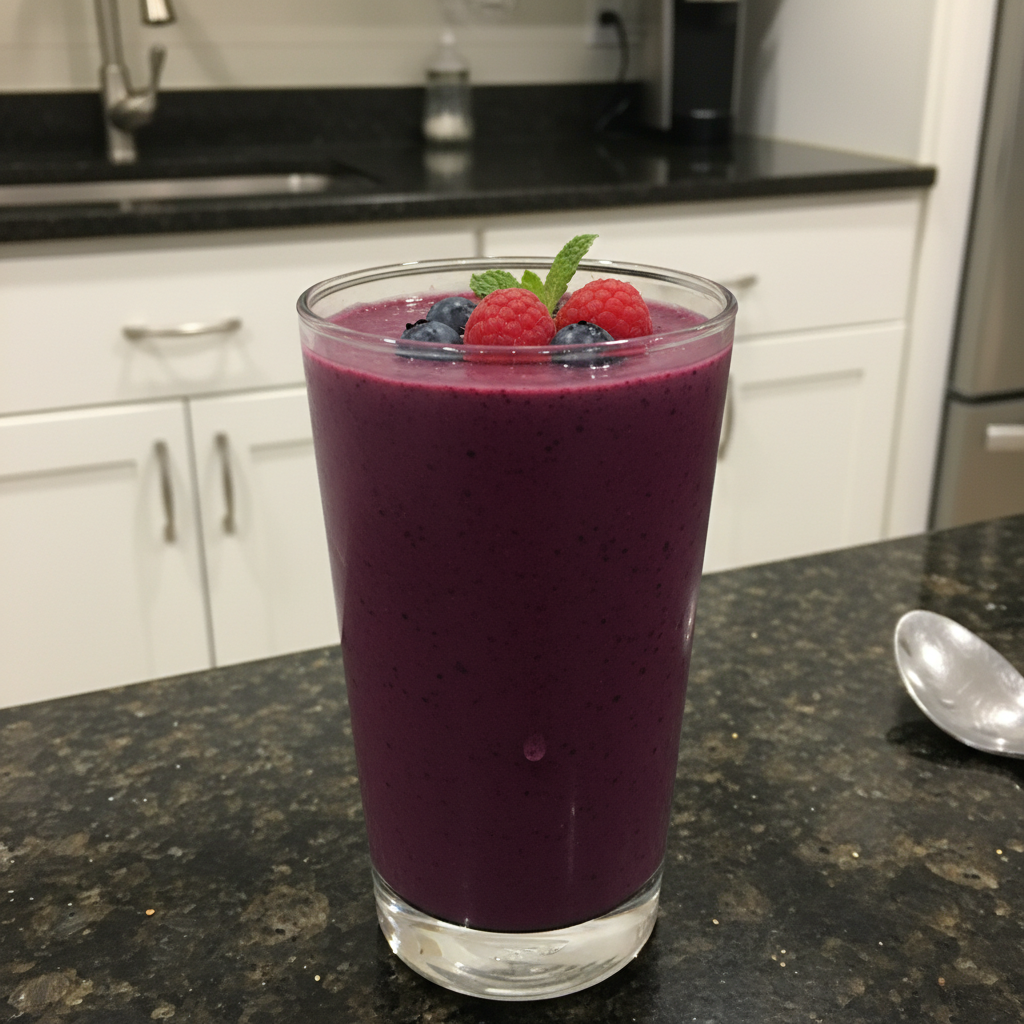
Secure the lid on your blender and start blending on a low speed, gradually increasing to high speed. Process until the mixture is completely smooth and creamy. You’re looking for a luscious, pourable consistency with no visible lumps of spinach or fruit. If your blender seems to be struggling, stop and use a tamper (if your blender has one) or scrape down the sides with a spatula to ensure everything is incorporated. Keep blending until the vibrant color is uniform and the texture is irresistibly smooth. A high-speed blender is ideal for achieving the best results.
Understanding Insulin Resistance & Tailoring Your PCOS Smoothie
My goal is not just to give you a recipe, but to empower you with knowledge. Understanding the ‘why’ behind the ingredients can truly transform your approach to managing PCOS symptoms.
The Link Between Insulin Resistance and PCOS
Let’s talk about insulin resistance, a critical factor for many individuals with Polycystic Ovary Syndrome. In simple terms, insulin resistance occurs when your body’s cells don’t respond effectively to the hormone insulin, leading your pancreas to produce more and more insulin. Elevated insulin levels can then trigger your ovaries to produce excess androgens (male hormones), which contributes to many common PCOS symptoms like irregular periods, acne, and unwanted hair growth. It also makes weight management more challenging and can intensify cravings for sugary foods.
This particular PCOS smoothie is a powerful tool in combating insulin resistance. The low-glycemic fruit (blueberries), coupled with abundant fiber from chia seeds, hemp seeds, and spinach, helps slow sugar absorption, preventing rapid spikes in blood sugar. The generous amount of protein powder promotes satiety and supports muscle mass, which is metabolically active and can improve insulin sensitivity. Ingredients like ginger, and even cinnamon if you choose to add it, are known for their anti-inflammatory and blood sugar-modulating properties. Prioritizing blood sugar control is truly key to managing and alleviating many PCOS symptoms.
Customizing Your Smoothie for Enhanced Benefits
One of the beauties of smoothies is their versatility! You can easily adjust this recipe to enhance its benefits or suit your taste.
- Alternative Greens & Measurements: While baby spinach is mild and blends in seamlessly, feel free to experiment.
- For kale, I suggest using slightly less, about 3/4 cup chopped, as it has a stronger, slightly bitter flavor.
- Swiss Chard can be used in a similar quantity to spinach, about 1 cup, and has a pleasant, mild earthy taste.
- For a boost of creaminess and stealthy veggies, add 1/2 cup of frozen zucchini chunks; it’s virtually flavorless.
- Adding 1/2 of a frozen avocado can significantly increase healthy fats and creaminess, further enhancing satiety.
- Protein Powder Deep Dive: Choosing the right protein powder is crucial for PCOS management.
- Whey Protein: If you tolerate dairy, whey is a highly bioavailable protein excellent for muscle growth and sustained satiety. Look for grass-fed, unsweetened varieties.
- Pea Protein & Rice Protein: These are fantastic vegan, dairy-free, and gluten-free options. Pea protein is particularly good for building muscle, while rice protein is very easily digestible. Blending both can provide a more complete amino acid profile.
- Collagen Peptides: While not a complete protein source in itself, collagen peptides are excellent for supporting gut health, skin elasticity, and hair strength. I often add it alongside a plant-based protein for a comprehensive boost.
Always choose unflavored or naturally flavored options to avoid unwanted added sugars and artificial ingredients that can disrupt blood sugar control.
Pro Tips & Troubleshooting for Your Best Smoothie
Over years in my kitchen, I’ve gathered some insights that will help you achieve the perfect smoothie every time and avoid common pitfalls.
Pro Tips for Smoothie Success
- Frozen is Key: For the thickest, coldest, and creamiest smoothie without diluting the flavor, always use frozen fruit (like blueberries and banana). I even keep a stash of frozen spinach; if swapping from fresh, use about 1/4 cup frozen spinach to maintain consistency. This eliminates the need for ice, resulting in a richer texture.
- Creaminess Boost: For an extra dose of healthy fats and an even more luxurious, creamy texture, toss in 1/2 of a frozen avocado. It blends beautifully and keeps you feeling full longer.
- Flavor & Function Enhancers: Elevate your smoothie’s health benefits and taste. I often add ½ tsp cinnamon, which is known for its ability to help reduce insulin resistance and improve glucose metabolism. A tablespoon of flaxseeds is another excellent addition, rich in Omega-3s and lignans, beneficial for hormone balance.
- Pre-Portion for Meal Prep: My absolute favorite tip for busy mornings! Create individual smoothie packs by combining all your dry and frozen fruit ingredients (blueberries, banana, spinach, chia seeds, hemp seeds, cocoa powder, protein powder, ginger, black pepper) into separate freezer-safe bags or containers. When you’re ready to enjoy, simply dump the frozen mix into your blender, add your liquid, and blend! This makes healthy eating effortless.
- Listen to Your Blender: Every blender is different. If your smoothie seems too thick or your blender is struggling, add a splash more unsweetened almond milk (or your milk of choice), one tablespoon at a time, until it blends smoothly.
Common Smoothie Mistakes to Avoid
- Being Afraid of Fruit: Many people with PCOS fear fruit due to concerns about sugar, but this is a common misconception! When combined with plenty of fiber and protein, low-glycemic fruit like blueberries can be incredibly beneficial. They provide essential antioxidants and natural sweetness without necessarily spiking blood sugar in the context of a balanced smoothie.
- Not Balancing Macronutrients: A smoothie that’s just fruit and liquid won’t keep you full or support blood sugar control. It’s crucial to balance your macronutrients with sufficient fiber, protein (at least 20g from your protein powder and seeds), and healthy fats (from seeds, avocado) to promote satiety and prevent energy crashes and intense cravings.
- Too Thick/Too Thin: If your smoothie is too thick, add more liquid, a tablespoon at a time, until it reaches your desired consistency. If it’s too thin, add more frozen fruit or a few ice cubes. Achieving the right consistency is key for enjoyment!
- Not Sweet Enough: If you find the smoothie isn’t sweet enough for your palate, resist the urge to add processed sugars. Instead, try a small amount of a natural, low-glycemic sweetener like a pitted date or a few drops of stevia or monk fruit extract.
- Ignoring Blending Order: As I mentioned earlier, the order of ingredients matters! Always add liquids first, then soft ingredients, and finally frozen items. This prevents motor strain on your blender and ensures a perfectly smooth texture.
Serving & Storage
Enjoying your PCOS smoothie at its best, and knowing how to store it, ensures you get the most out of this nutrient-packed meal or snack.
Serving Ideas
- PCOS-Friendly Breakfast Smoothie: This smoothie is a complete and balanced start to your day, providing sustained energy and supporting blood sugar control right from the morning.
- Anti-Inflammatory Snack: Perfect for curbing afternoon cravings and boosting energy levels without the crash. It’s an ideal choice for an anti-inflammatory snack between meals.
- Post-Workout Recovery Beverage: The protein and complex carbohydrates make it an excellent choice for replenishing nutrients and supporting muscle repair after a workout.
For an extra touch of visual appeal and added texture, I love garnishing my smoothie with a sprinkle of extra hemp seeds, a dusting of cocoa powder, or a fresh berry or two.
Storage and Make-Ahead Tips
- Immediate Enjoyment: For optimal nutrient absorption and the best possible texture, I always recommend drinking your smoothie immediately after blending.
- Short-Term Storage: If you’ve made a bit extra or need to prepare it slightly in advance, this smoothie can be stored in an airtight container, such as a mason jar, in the refrigerator for up to 24 hours. To minimize air exposure and prevent oxidation (which can cause nutrient loss and separation), fill the container to the very top.
- Preventing Separation: It’s natural for some separation to occur over time. A quick shake or a brief re-blend before drinking will bring it back to its creamy consistency.
- Freezer Smoothie Packs: For ultimate meal prep convenience, assemble individual freezer-safe bags with all your dry and frozen fruit ingredients (blueberries, banana, spinach, chia seeds, hemp seeds, cocoa powder, protein powder, ginger, black pepper). Label and freeze these packs for up to 1-2 months. When you’re ready for a fresh smoothie, simply empty a pack into your blender, add the liquid (e.g., almond milk), and blend until smooth. This makes healthy eating incredibly easy, even on your busiest days.
Conclusion: Embrace Your PCOS Smoothie Journey
I genuinely hope this PCOS smoothie becomes a cherished part of your daily routine. It’s more than just a recipe; it’s a delicious, easy-to-prepare, and incredibly effective tool for supporting your health. From its powerful impact on blood sugar control and hormone balance to its potent ability to reduce inflammation, every ingredient is chosen with your well-being in mind.
Don’t forget the unique twist of fresh ginger and a pinch of black pepper – it not only adds an intriguing layer of flavor but also significantly boosts the anti-inflammatory benefits and nutrient absorption, making this smoothie a true standout. Embracing healthy habits, like incorporating this nourishing smoothie, is an achievable and enjoyable step in managing PCOS.
Feel empowered to experiment with the variations I’ve shared and make this recipe truly your own. I encourage you to print this recipe, share it with others who might benefit, and explore other PCOS-friendly breakfast ideas or snacks available on my site. Here’s to feeling your best, one delicious sip at a time!
FAQ: Your PCOS Smoothie Questions Answered
Q: How does this blueberry smoothie specifically benefit PCOS and blood sugar management?
A: This PCOS smoothie is strategically designed with low-glycemic fruit (blueberries), ample fiber (from chia, hemp, and spinach), and high-quality protein powder to slow sugar absorption and promote satiety. The anti-inflammatory properties of ginger and cocoa powder further support blood sugar control and help mitigate the effects of insulin resistance, which is critical for PCOS management.
Q: Can I use fresh fruit and vegetables in this smoothie recipe instead of frozen?
A: Yes, you certainly can! However, I prefer and recommend using frozen ingredients like frozen blueberries, frozen banana, and even frozen spinach, as they contribute significantly to the desired thick, cold, and creamy texture without needing to add ice, which can dilute the flavor. If you opt for fresh, simply add a few ice cubes to achieve your preferred consistency and chill.
Q: What are the best ways to customize this smoothie for different tastes or dietary needs?
A: This smoothie is incredibly versatile! You can add different leafy greens like 3/4 cup kale or 1 cup Swiss chard, or even 1/2 cup frozen zucchini for extra veggies. For healthy fats and creaminess, consider adding 1/2 of a frozen avocado. Spices like 1/2 tsp cinnamon (for insulin resistance) or a tablespoon of flaxseeds (for Omega-3s and hormone balance) are excellent additions. You can also vary the protein powder type (e.g., whey, pea protein, rice protein, or collagen peptides) and use other unsweetened dairy-free milks.
Q: How can I effectively meal prep this PCOS smoothie for a busy week?
A: Meal prep is a game-changer! Simply portion all your dry and frozen ingredients (blueberries, banana, spinach, chia seeds, hemp seeds, cocoa powder, protein powder, ginger, black pepper) into individual freezer-safe bags or containers. Store them in the freezer for up to 1-2 months. When you’re ready for a smoothie, just dump the contents into your blender, add your liquid, and blend until smooth.
Q: What is the best type of protein powder to use for PCOS smoothies?
A: The “best” type depends on your dietary needs and preferences. Whey protein is excellent if you tolerate dairy. For vegan and dairy-free options, pea protein and rice protein are fantastic choices, providing quality plant-based protein. Collagen peptides can also be added for benefits like gut health, though they aren’t a complete protein. The most important factor is ensuring your chosen protein powder contributes at least 20g of protein per scoop to promote satiety and support muscle support, and that it’s unflavored or naturally sweetened to avoid added sugars.
Q: Is fruit consumption beneficial or harmful for PCOS and blood sugar?
A: This is a common concern! Rest assured, low-glycemic fruit like blueberries, when consumed in moderation and balanced with other macronutrients, is highly beneficial for PCOS. The fiber, healthy fats, and protein in this smoothie help mitigate any potential blood sugar spikes from the fruit. Fruit provides valuable vitamins, minerals, and powerful antioxidants, which are crucial for reducing inflammation and overall health. Don’t be afraid of fruit; focus on balance and pairing!
Q: How can I reduce inflammation and curb cravings with a smoothie?
A: This PCOS smoothie is packed with anti-inflammatory foods like ginger, blueberries, spinach, and cocoa powder, all of which actively work to reduce systemic inflammation. To curb cravings and combat fatigue, the smoothie leverages a powerful combination of fiber (from seeds and spinach), quality protein (from powder and seeds), and healthy fats (from seeds, and optional avocado). This macronutrient balance promotes lasting satiety, stabilizes blood sugar levels, and helps keep those pesky cravings at bay.

PCOS Smoothie: Blood Sugar Balancing with Ginger & Pepper Twist
Equipment
- High-speed blender
- Tamper (optional)
- Spatula
Ingredients
- 1 cup blueberries (frozen)
- 1 cup baby spinach (loosely packed)
- 1/2 banana (frozen and cut into chunks)
- 1 tbsp chia seeds
- 1 cup almond milk, unsweetened (Or milk of choice)
- 1 tbsp cocoa powder, unsweetened
- 1.5 tsp hemp seeds
- 1 scoop protein powder (at least 20g protein)
- 1/4 teaspoon freshly grated ginger
- Pinch black pepper
Instructions
Gather Your Ingredients
- Before you begin, make sure all your ingredients are measured and ready to go. Having everything at hand makes the blending process seamless.
Load Your Blender
- Start by pouring the almond milk (or milk of choice) into your high-speed blender. Next, add the looser, non-frozen ingredients: baby spinach, chia seeds, hemp seeds, unsweetened cocoa powder, your chosen protein powder, the freshly grated ginger, and a pinch of black pepper. Finally, add the frozen components: the frozen blueberries and the frozen banana chunks, ensuring a layering that helps the blender blades get traction.
Blend to Perfection
- Secure the lid on your blender and start blending on a low speed, gradually increasing to high speed. Process until the mixture is completely smooth and creamy. You're looking for a luscious, pourable consistency with no visible lumps of spinach or fruit. If your blender seems to be struggling, stop and use a tamper (if your blender has one) or scrape down the sides with a spatula to ensure everything is incorporated. Keep blending until the vibrant color is uniform and the texture is irresistibly smooth. A high-speed blender is ideal for achieving the best results.