Skip to content
Are you tired of the ever-increasing cost and questionable additives found in many store-bought protein powders? I know I was. That is why I am thrilled to share my simple, healthy, and incredibly delicious homemade protein powder recipe. With just three wholesome ingredients, you can create your own custom blend that is perfect for boosting smoothies, oatmeal, and even baked goods. This guide will walk you through everything you need to know to make your own quality Homemade Protein Powder, customize it to your taste, store it effectively, and use it in countless ways.
Why You’ll Love This Recipe
The real secret to this exceptional homemade protein powder lies in one simple, yet often overlooked, step: toasting the seeds before grinding. This unique twist is truly a game-changer for both flavor and texture.
The toasting process enhances the natural nutty flavor and aroma of the seeds. It prevents any raw or bitter taste, elevating the taste profile significantly. Furthermore, toasting helps to dry the seeds, resulting in a much finer, less oily powder when ground.
Making your own Homemade Protein Powder is incredibly cost-effective. It is significantly cheaper than continually purchasing commercial brands.
You gain complete control over the ingredients, allowing for full customization of the flavor profiles to suit your personal preferences and dietary needs.
This plant-based protein powder is packed with healthy fats, fiber, and essential nutrients from the chia seeds, hemp seeds, and pepitas, making it a nutrient-rich addition to any diet.
Ingredients Needed
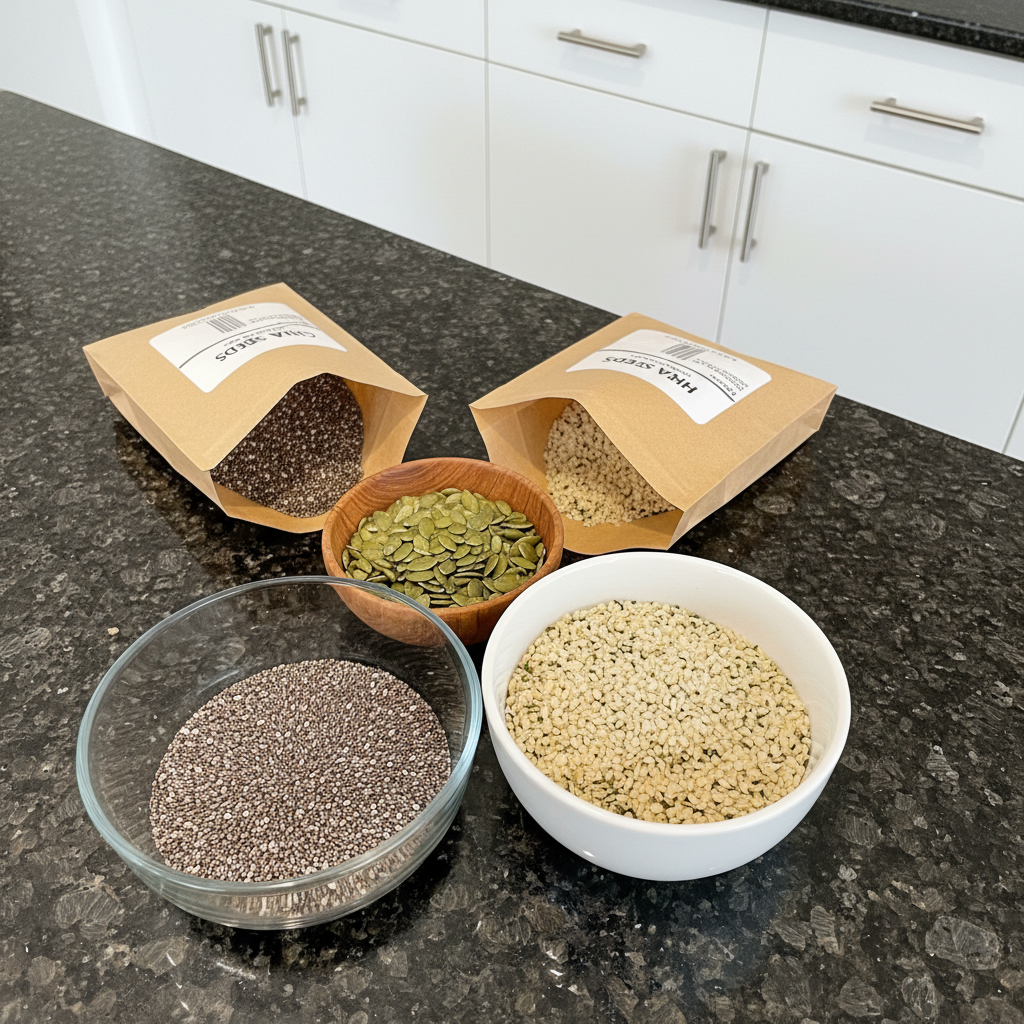
- 1 cup chia seeds, divided
- 1 cup hemp seeds, divided
- ¼ cup raw pepitas, divided
Ingredient Notes & Substitutions
Chia Seeds: These tiny powerhouses are rich in omega-3 fatty acids and dietary fiber. Be aware that chia seeds have natural gelling properties, which means your homemade protein powder may slightly thicken liquids when mixed.
Hemp Seeds: A fantastic complete protein source, hemp seeds are also abundant in omega-3 and omega-6 fatty acids, known for their anti-inflammatory fats. If you need a substitution, flaxseeds, sesame seeds, or hulled sunflower seeds can be used. Keep in mind that these alternatives will alter the flavor and nutritional profile. Flaxseeds, in particular, have a higher oil content and should be refrigerated to prevent rancidity.
Pepitas (Pumpkin Seeds): These raw pepitas contribute vital protein and essential minerals like iron and magnesium to your homemade protein powder. Ensure you are using raw, unsalted pepitas for the best results.
General Note: This recipe is naturally vegan, vegetarian, gluten-free, and nut-free, making it suitable for a wide range of dietary preferences.
How to Make Homemade Protein Powder
Making your own homemade protein powder is a straightforward process that yields incredibly fresh and flavorful results. I always focus on these two key phases for the best outcome.
Step 1: Toast the Seeds
This initial step is my secret for making the best Homemade Protein Powder. Add the chia seeds, hemp seeds, and pepitas to a dry pan over medium-low heat. Toast them for about 3-5 minutes, stirring frequently, until they become fragrant and lightly golden. Alternatively, you can spread the seeds evenly on a baking sheet and toast them in a preheated oven at 300°F (150°C) for 5-7 minutes. As they toast, you will notice a delightful nutty aroma filling your kitchen, and their color will deepen slightly. This enhances the flavor profile significantly.
Step 2: Grind the Seeds
Grinding the toasted seeds properly is crucial for achieving a fine, smooth powder.
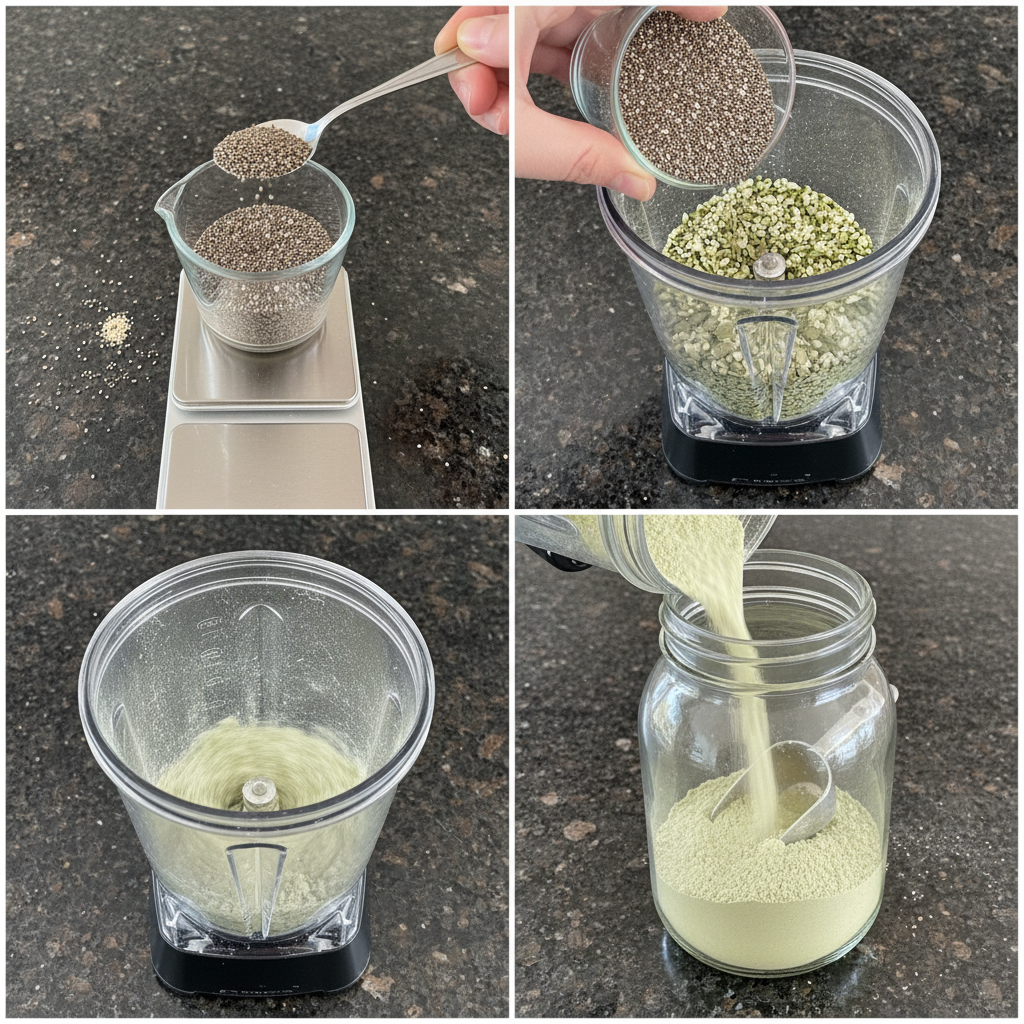
Spice Grinder Method: For the finest Homemade Protein Powder texture, I recommend using a spice grinder. Place ¼ cup of the toasted seed mixture into the grinder. Pulse just until finely ground, which usually takes about 10 pulses. Transfer this finely ground powder to a bowl. Repeat this process in 3 more batches with the remaining toasted chia seeds and hemp seeds. Once all batches are ground, stir them together in the bowl to combine thoroughly. Grinding in small batches helps prevent the seeds from overheating and turning into a paste or seed butter, and ensures a consistently fine texture.
High-Speed Blender Method: Alternatively, you can pulse all of the toasted ingredients together in a high-speed blender. Pulse until finely ground, about 15 (1-second) pulses. Be sure to stop and scrape the seed mixture from the bottom of the blender occasionally to ensure even grinding and prevent the formation of seed butter.
Flavoring Your Homemade Protein Powder
One of the great joys of making your own Homemade Protein Powder is the ability to customize its flavor to your liking. The possibilities are truly endless, allowing you to create unique flavor profiles for various uses.
For a delicious chocolate boost, I recommend adding 1-2 teaspoons of unsweetened cocoa powder per cup of your homemade protein powder. If you prefer a warm, spiced flavor, 1-2 teaspoons of ground cinnamon per cup works wonderfully. Beyond these classics, consider a dash of vanilla extract for a subtle sweetness, or even incorporate unsweetened shredded coconut or dried fruit powder for more complex notes. Each addition will subtly impact the overall flavor profile of your Homemade Protein Powder.
These flavored powders are fantastic in smoothies, stirred into warm oatmeal, or even incorporated into your favorite baking recipes like muffins and pancakes.
Pro Tips & Troubleshooting
Pro Tips
Use a dedicated spice grinder for the absolute finest powder texture. This prevents any unwanted grit in your Homemade Protein Powder.
Toast seeds in small batches to ensure even toasting and prevent any burning, which can lead to a bitter taste.
Grind the seeds in small batches to avoid overheating the equipment and preventing the mixture from clumping or turning into seed butter.
Always store your Homemade Protein Powder in an airtight container in a cool, dark place to maintain its freshness and extend its shelf life.
A tiny pinch of sea salt added to the seeds before grinding can subtly enhance their natural nutty flavor.
Do not be afraid to experiment with different seed ratios to discover your preferred taste and nutritional balance.
Common Mistakes to Avoid
One of the most common mistakes is over-blending the seeds, which can quickly result in an oily seed butter instead of a fine powder.
Not toasting the seeds will lead to a bland, raw, or even slightly bitter taste, missing out on that enhanced flavor profile.
Storing the powder in a humid environment can cause it to clump together and potentially spoil faster.
Always start with fresh, high-quality seeds. Using old or rancid seeds will significantly affect the flavor and overall quality of your Homemade Protein Powder.
Serving & Storage
Serving Ideas
My Homemade Protein Powder is incredibly versatile! Here are some of my favorite ways to enjoy it:
Add a scoop or two to your morning smoothies for a significant protein boost and added healthy fats.
Stir it into warm bowls of oatmeal or porridge for a hearty, nutrient-dense breakfast.
Incorporate it into your favorite baked goods recipes, such as muffins, pancakes, or quick breads, to boost their protein content.
Mix it into chia puddings for an extra layer of texture and nutrition.
Sprinkle it generously over yogurt or granola for an easy, protein-packed snack.
Get creative! You can even add this nutritious powder to savory dishes like homemade dressings or sauces for added nutrition without altering the flavor profile too much.
Storage and Make-Ahead
Proper storage is key to maintaining the freshness and potency of your Homemade Protein Powder.
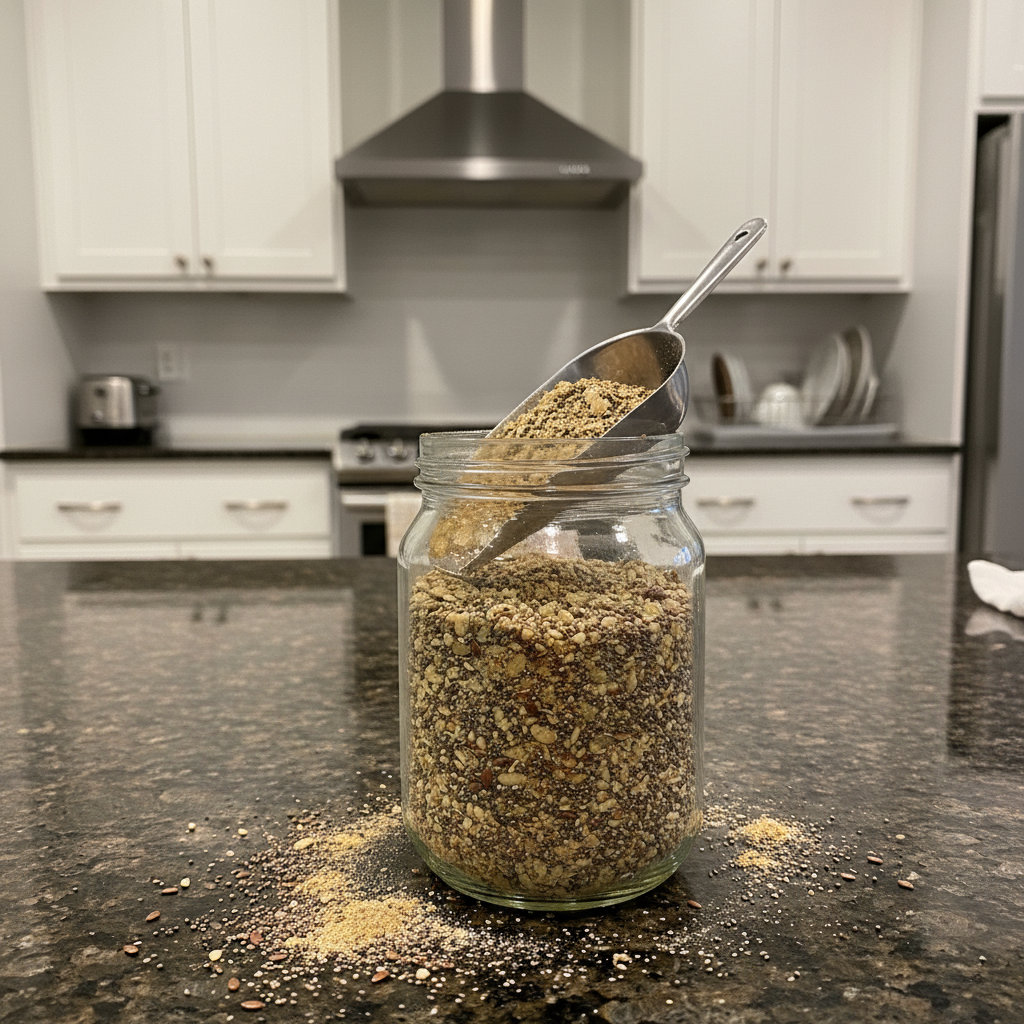
Countertop: Store your Homemade Protein Powder in an airtight container at room temperature for up to 1 week.
Refrigerator: For extended freshness, store it in an airtight container in the refrigerator for up to 2 weeks.
Freezer: For the longest storage (up to 3 months), transfer the Homemade Protein Powder to a freezer bag or an airtight container and store it in the freezer. Remember to thaw it before using.
Shelf Life: Toasting the seeds slightly extends their shelf life compared to raw ground seeds, as it helps to remove some moisture. However, the oils in the seeds can still oxidize over time, so adhering to these storage guidelines is important for the best quality.
Conclusion
Making your own Homemade Protein Powder is an incredibly rewarding experience. It is easy, affordable, completely customizable, and packed with nutrients. The simple step of toasting the seeds is truly transformative, ensuring an optimal flavor and wonderfully fine texture that you simply will not find in raw versions. I encourage you to try this recipe in your kitchen and experiment with different variations and serving ideas. Share this versatile and healthy recipe with your friends and family, and explore other wholesome recipes on my blog!
FAQ
How long does homemade protein powder last and what are the best storage methods?
Properly stored, homemade protein powder can last for 1 week at room temperature, 2 weeks in the refrigerator, or 3 months in the freezer. Always use an airtight container.
What is the optimal equipment for making smooth homemade protein powder?
A spice grinder is ideal for achieving a fine powder. A high-speed blender can also be used, but be careful not to over-blend and create seed butter.
Can I customize the flavor of my homemade protein powder with additions like cocoa or cinnamon?
Yes! Add 1-2 teaspoons of cocoa powder or cinnamon per cup of protein powder for a delicious flavor boost. You can also try vanilla extract or dried fruit powders.
What are the best ways to use homemade protein powder in meals and snacks?
Add it to smoothies, oatmeal, baked goods, chia puddings, yogurt, or even savory dishes like dressings.
How does the nutritional profile of homemade seed-based protein powder compare to commercial options?
Homemade protein powder typically offers less protein per serving than many commercial powders, but it is packed with healthy fats, fiber, and essential nutrients like omega fatty acids. It also avoids artificial sweeteners and additives often found in store-bought versions.
What are suitable substitutions for hemp seeds in this recipe?
Flaxseeds, sesame seeds, or hulled sunflower seeds can be used as alternatives, but they will alter the flavor and nutrient profile. Ensure to adjust ratios accordingly and refrigerate flaxseeds due to their higher oil content.
How does homemade protein powder compare to store-bought protein powder?
Homemade protein powder typically has a lower protein content per serving compared to store-bought options, but it boasts superior healthy fats and fiber, along with a much lower cost. It is also free from artificial sweeteners, fillers, and other unnecessary additives. Store-bought protein powder offers more convenience and a higher protein content, which can be more ideal for serious athletes.
Best Homemade Protein Powder: Easy 3-Ingredient Recipe
Equipment
- Dry pan or baking sheet
- Spice grinder or high-speed blender
- airtight container
Ingredients
- 1 cup chia seeds, divided
- 1 cup hemp seeds, divided
- ¼ cup raw pepitas, divided
Instructions
Step 1: Toast the Seeds
- Add the chia seeds, hemp seeds, and pepitas to a dry pan over medium-low heat. Toast for about 3-5 minutes, stirring frequently, until fragrant and lightly golden. Alternatively, spread the seeds evenly on a baking sheet and toast in a preheated oven at 300°F (150°C) for 5-7 minutes. Look for a delightful nutty aroma and slightly deepened color.
Step 2: Grind the Seeds
- Spice Grinder Method: Place ¼ cup of the toasted seed mixture into a spice grinder. Pulse until finely ground, about 10 pulses. Transfer the powder to a bowl. Repeat this process in 3 more batches with the remaining seeds. Stir all batches together thoroughly. Grinding in small batches prevents overheating and ensures a fine texture.
- High-Speed Blender Method: Alternatively, pulse all the toasted ingredients together in a high-speed blender for about 15 (1-second) pulses. Stop and scrape the mixture from the bottom occasionally to ensure even grinding and prevent seed butter formation.