Skip to content
The holiday season often leaves us with wonderful memories, full bellies, and, for many of us, that magnificent leftover turkey carcass. For me, that carcass isn’t waste; it’s an opportunity, a golden ticket to the most soul-satisfying bowl of homemade comfort imaginable. Today, I’m going to show you how to transform those bones into the richest, most deeply flavorful turkey carcass soup you’ve ever tasted. This isn’t just about using up leftovers; it’s about crafting an unbelievably hearty and wholesome meal that perfectly captures the spirit of the season, all while mastering the art of a truly exceptional homemade turkey stock.
Why You’ll Love This Recipe
I’ve been making turkey soup for years, and I’ve developed a unique two-step aromatic process that sets this recipe apart, delivering a depth of flavor that’s truly unmatched. This isn’t just another turkey soup; it’s *the* ultimate cozy, warming experience.
- Unleash Deep Umami with Roasting: My secret starts by pre-roasting the turkey carcass with roughly chopped mirepoix (onions, carrots, and celery) before it even hits the stockpot. This crucial step activates the Maillard reaction, caramelizing the bones and vegetables, which develops profoundly rich, complex umami flavors and a beautiful golden hue in your homemade turkey stock. Simple boiling just can’t achieve this depth.
- Layer in Fresh Flavor with Sautéing: After making your stock, we build a fresh foundation for the soup. I then sauté a *fresh* batch of finely chopped carrots and celery in butter or olive oil. This second layer of aromatics caramelizes their natural sugars, infusing the soup with vibrant, tender vegetable texture and fresh flavor that would be lost if we only used the stock vegetables.
- Zero-Waste Brilliance: This recipe is the ultimate ode to using every last bit of your Thanksgiving leftovers. Turning your leftover turkey bones into a gourmet meal feels incredibly rewarding and smart.
- Unmatched Richness and Depth: Forget watery, bland soups made with store-bought broth. The dual aromatic technique yields a profoundly rich, flavorful, and hearty soup that truly tastes of turkey.
- Family-Friendly Comfort: This turkey soup is the quintessential comfort food, perfect for warming up on a chilly evening and feeding the whole family.
Ingredients Needed

Here’s exactly what you’ll need to create this magnificent soup.
- 1 turkey carcass, from roasted turkey, extra meat removed
- 2 carrots, peeled, finely chopped
- 2 stalks celery, finely chopped
- 2 c. cooked turkey meat, shredded
- 3 sprigs fresh thyme
- 1 dried bay leaf
- 8 oz. egg noodles
- Kosher salt
- Freshly ground black pepper
- 2 tbsp. fresh dill, chopped
Ingredient Notes & Substitutions
Making a great soup is often about understanding your ingredients and having flexibility.
- Pot Size: For your stock, I highly recommend using a large, heavy-bottomed Dutch oven or a substantial soup pot, ideally with at least an 8-quart capacity. This ensures adequate space for the turkey carcass to be fully submerged and allows for even heat distribution during the long, gentle simmer.
- Noodle Alternatives: While I love classic egg noodles, feel free to get creative! You can use thin spaghetti noodles broken in half, gluten-free noodles, or even substitute with wild rice for a heartier, nuttier texture. If using wild rice, consider adding a tablespoon of tomato paste during the stock-making phase for an extra layer of umami.
- Keto/Low-Carb Options: For a delicious keto diet or low-carb friendly version, simply omit the noodles and bulk up the soup with extra mixed vegetables like chopped zucchini, green beans, or spinach.
- Flavor Boosters: For an even richer stock, try tossing in a Parmesan rind during the simmering process. It adds a wonderful savory depth that’s truly remarkable.
- Herbs: Fresh thyme and a bay leaf provide a classic aromatic base for your stock. However, the bright, clean finish of fresh fresh dill added at the very end is non-negotiable for that perfectly rounded, vibrant flavor.

How to Make Turkey Carcass Soup
This step-by-step guide will walk you through my unique process for the ultimate turkey carcass soup. Embrace the steps, and you’ll be rewarded with incredible flavor!
1. Prepare the Carcass for Roasting
First things first, let’s get that turkey carcass ready. Ensure you’ve removed as much leftover turkey meat as possible, setting aside about 2 cups of shredded turkey meat for the soup later. Preheat your oven to 400°F (200°C). Place the turkey carcass on a sturdy baking sheet. Scatter roughly chopped onions, a carrot, and a stalk of celery around the carcass. This initial “mirepoix” will roast alongside the bones. Roast in the preheated oven for 30-45 minutes, or until the carcass and vegetables are lightly browned and caramelized. This is where the magic of the Maillard reaction begins, creating deep, rich flavors for your stock. You’ll see beautiful brown spots forming on the bones and veggies.
2. Simmering the Homemade Turkey Stock
Carefully transfer the browned turkey carcass and roasted mirepoix from the baking sheet into your large soup pot or Dutch oven. Cover the carcass completely with cold water; I typically use about 10-12 cups, ensuring everything is submerged. Bring the pot to a rolling boil over high heat, then immediately reduce the heat to a very gentle simmer. As it begins to simmer, you’ll notice foam and impurities rising to the surface. Use a ladle or a fine-mesh sieve to patiently skim foam/impurities from the surface for the first 30-60 minutes. This critical step ensures a clearer, cleaner-tasting stock. Let the stock gently simmer for a full 2 hours. This duration is key for extracting all the delicious, true turkey flavor without over-reducing.
3. Strain and Prepare Stock
Once your stock has simmered, carefully remove the turkey carcass and vegetables from the pot. Place a food strainer or fine-mesh sieve (lined with cheesecloth for extra clarity if you wish) over a large clean bowl or back into your now-empty pot. Carefully pour the stock through the strainer, ensuring all solids are removed. Take a moment to pick any remaining delicious shredded turkey meat from the carcass bones, aiming for about 2 cups total, which you should already have set aside. Discard the bones and cooked vegetables. You should have approximately 6 cups of rich, reserved stock. Return this clear, reserved stock to the cleaned pot and bring it back to a gentle simmer over medium-low heat.
4. Sauté Fresh Aromatics & Build Soup Base
Now for the second part of our unique flavor twist! In a separate medium pan, melt a tablespoon of butter or heat a splash of olive oil over medium heat. Add your fresh batch of finely chopped carrots and celery. Sauté them, stirring occasionally, until they are slightly softened and their natural sugars begin to caramelize – about 5-7 minutes. This step adds a vibrant, fresh layer of flavor and ensures the vegetables in your final soup are perfectly tender, not mushy. Add the sautéed carrots and celery to the simmering stock in your main pot, along with the reserved shredded turkey meat, fresh thyme sprigs, and the bay leaf. Continue to cook, stirring occasionally, until the vegetables are just tender, which usually takes about 12 minutes.
5. Add Noodles & Season
It’s time for the starches! Add the egg noodles to the simmering soup. Cook them according to package directions until they are perfectly al dente, meaning they still have a slight bite. Be careful not to overcook them, as they will continue to soften slightly in the hot soup. Now, season generously with kosher salt and freshly ground black pepper to taste. Remember to taste and adjust—a well-seasoned soup makes all the difference!
6. Garnish & Serve
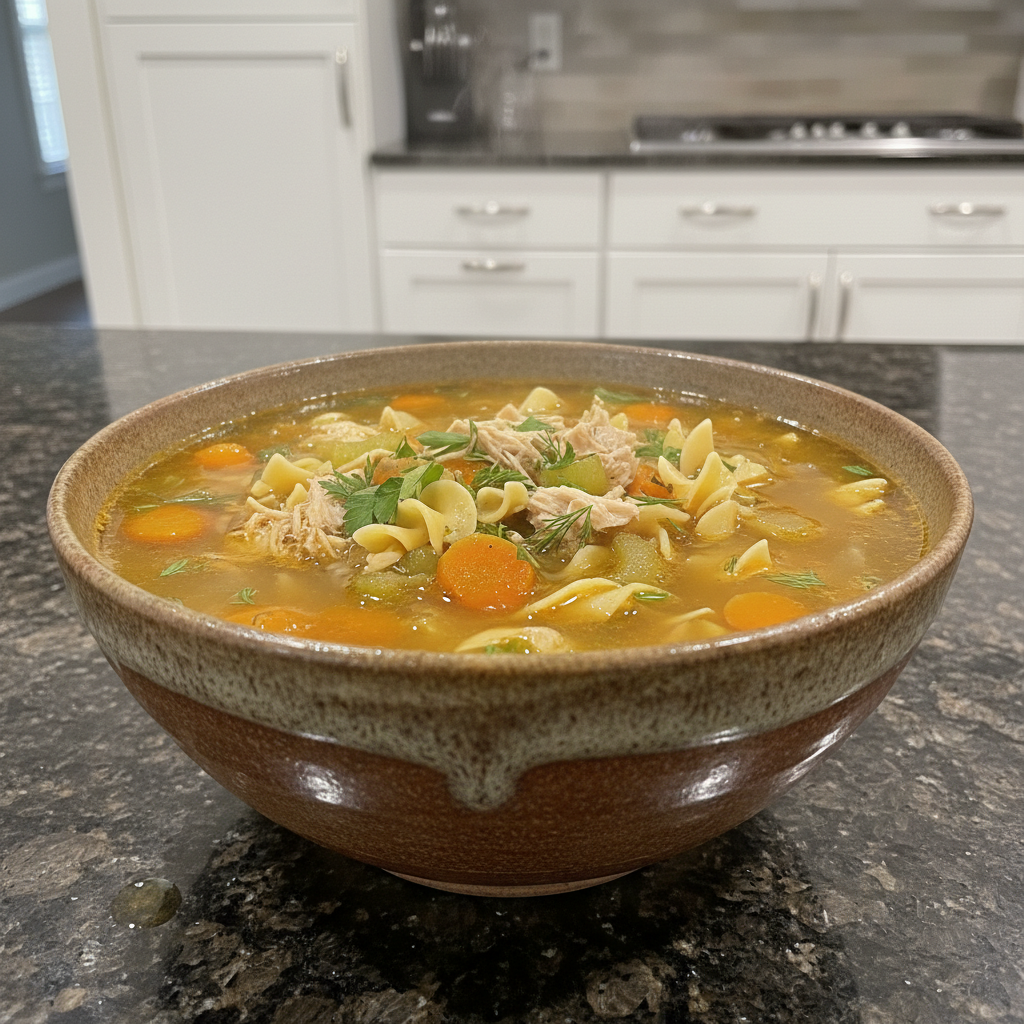
Ladle this fragrant, rich turkey carcass soup into warm bowls. For that essential final touch, sprinkle generously with plenty of fresh, chopped fresh dill. Watch the steam rise, inhale that incredible aroma, and prepare to enjoy the most comforting bowl of soup you’ve ever made.
Achieving a Clear, Flavorful Broth & Nutrition Highlights
Crafting exceptional broth is an art, and understanding its nutritional benefits makes it even more rewarding.
Achieving a Clear, Flavorful Broth
A truly great homemade turkey stock should be clear and deeply flavorful. Here’s how to ensure yours is perfect:
- Skimming Impurities: As your stock begins to simmer, proteins and other impurities from the bones will coagulate and rise to the surface as foam. Patiently skimming foam/impurities with a ladle or fine-mesh sieve during the first hour of simmering is crucial. This step prevents the impurities from breaking down and clouding your broth, resulting in a beautifully clear and appealing stock.
- Efficient Fat Removal: For a cleaner, less greasy soup, I highly recommend cooling your finished stock completely in the refrigerator. As it chills, the fat will solidify on top, forming a solid cap that is incredibly easy to lift off and discard. This simple trick makes fat removal efficient and ensures a more refined broth.
Nutrition Highlights
Beyond its incredible taste, homemade turkey soup offers some wonderful nutritional benefits, especially when made from scratch using a turkey carcass.
- Collagen and Gelatin Power: Simmering the turkey carcass for an extended period extracts natural collagen and gelatin from the bones. This contributes to the rich mouthfeel of the broth and may offer potential health benefits for gut health, joint support, and skin elasticity. It’s also why your broth will turn delightfully gelatinous when cold!
- Zero-Waste Nutrients: This recipe is a fantastic example of zero-waste cooking, transforming what might otherwise be discarded into a nutrient-dense comfort food. You’re extracting vitamins, minerals, and amino acids from every part of the Thanksgiving leftovers.
- Wholesome Ingredients: With lean shredded turkey meat and an abundance of fresh vegetables like carrots and celery, your soup is packed with essential vitamins, minerals, and protein, making it a truly wholesome meal.
Pro Tips & Troubleshooting
Even the most seasoned chefs can benefit from a few extra pointers. Here are my top tips and solutions for common soup mishaps.
Pro Tips
- Choose the Right Pot: For stock making, a heavy-bottomed Dutch oven or large soup pot (at least 8-quart capacity) is your best friend. Its even heat distribution prevents scorching and ensures a consistent simmer.
- Roasting for Depth: Don’t skip the initial roasting of the turkey carcass and mirepoix! This vital step is what unlocks that deep, savory flavor and rich color through the Maillard reaction, leading to a truly superior stock.
- The Perfect Simmer: Always maintain a gentle simmer, not a rolling boil, when making stock. A gentle simmer encourages clear stock and optimal flavor extraction without emulsifying fats and clouding your broth. The 2-hour simmering time is perfect for delicious, flavorful stock that truly tastes of turkey.
- Salt to Taste, Gradually: Always season progressively. Broth can concentrate as it cooks, so add kosher salt and black pepper in layers, tasting as you go, and finish with a final adjustment before serving.
- Fresh Herbs Finish: The vibrant, peppery notes of fresh dill are essential for balancing the richness of the soup. Always add it at the very end for maximum aroma and flavor impact.
- Gelatinous Broth is Good: If your refrigerated stock or soup sets up like Jell-O, rejoice! This is a sign of high-quality, collagen-rich stock. It will liquefy beautifully when reheated.
Common Mistakes to Avoid
- Overcooking Noodles: No one likes mushy noodles! Always cook egg noodles to al dente according to package directions, and remember they will continue to soften slightly in the hot soup.
- Forgetting the Fresh Dill Finish: While you might add dried herbs during cooking, the bright, fresh pop of fresh dill at the end is absolutely crucial for a balanced and vibrant flavor profile. Don’t skip it!
- Adding Initial Veggies to Stock (Without Roasting): Just boiling plain vegetables with the carcass yields less flavor. Our roasting method is designed to maximize richness. Plus, the vegetables used for stock give up most of their flavor and become mushy; they should be discarded, which is why we add fresh, sautéed vegetables later for superior texture and taste.
- Bland Soup: If your soup tastes a bit flat, try a pinch more kosher salt, a dash of white pepper, or a squeeze of lemon juice to brighten the flavors. A tablespoon of tomato paste can also deepen the savory notes.
- Too Salty Soup: Accidentally over-salted? You can add a chopped, peeled potato to the soup and let it simmer for 15-20 minutes; it will absorb some of the excess salt. Remove the potato before serving. Alternatively, dilute the soup with a bit more unsalted homemade turkey stock or water.
- Thin Soup: If your soup is thinner than you’d like, you can simply simmer it uncovered for a bit longer to reduce and concentrate the flavors. For a quicker fix, make a cornstarch slurry by whisking 1 tablespoon of cornstarch with 1 tablespoon of cold water, then slowly whisk it into the simmering soup until it reaches your desired consistency.
Serving & Storage
Once your magnificent turkey carcass soup is ready, knowing how to serve and store it properly ensures you enjoy every last drop.
Serving Ideas
This hearty comfort food is a meal in itself, but it pairs wonderfully with a few accompaniments:
- Traditional Pairings: Serve this delicious soup alongside creamy mashed potatoes, warm Thanksgiving rolls, or even a classic green bean casserole for a truly complete post-holiday feast.
- Garnishing: Beyond the essential fresh dill, consider a swirl of good quality olive oil, a sprinkle of fresh parsley, or a handful of crunchy homemade croutons for added texture and visual appeal.
Storage and Make-Ahead
This soup is fantastic for making ahead and enjoying later!
- Refrigeration: Store any leftover turkey carcass soup in airtight containers in the refrigerator for up to 3-4 days. The flavors often deepen overnight!
- Freezing Instructions: For longer-term enjoyment, this soup freezes beautifully. Allow the soup to cool completely before portioning it into freezer-safe containers or heavy-duty freezer bags. Label with the date. It can be frozen for up to 3 months. Thaw overnight in the refrigerator before reheating.
- Reheating: Gently reheat on the stovetop over medium-low heat until simmering, stirring occasionally. If the soup has thickened too much in storage, add a splash of water or extra homemade turkey stock to reach your desired consistency.
- Preventing Soggy Noodles: If you plan to make a large batch for meal prep or freezing, I recommend cooking the noodles separately and adding them to individual bowls just before serving. If you must add them to the entire batch for storage, slightly undercook them initially to prevent them from becoming mushy upon reheating.
Conclusion
And there you have it – the ultimate recipe for a deeply flavorful, incredibly comforting, and wonderfully zero-waste turkey carcass soup. My two-step aromatic twist, involving both roasting the carcass for unparalleled stock depth and sautéing fresh vegetables for vibrant texture, truly sets this recipe apart. Making homemade turkey stock and soup from scratch might seem daunting, but I promise you, it’s an achievable and immensely rewarding experience, even for the beginner home cook. The rich, warming result is worth every moment. Don’t let that precious turkey carcass go to waste! Embrace the process, try some of my suggested variations or serving ideas, and make this recipe your own. I invite you to share your creations and explore more of my leftover turkey recipes on the site.
FAQ
What is turkey carcass soup and why should I make it?
Turkey carcass soup is a comforting, hearty soup made by simmering the bones and any adhering leftover turkey meat from a roasted turkey to create a rich broth, which then forms the base for vegetables and noodles. You should make it because it’s the ultimate zero-waste approach to holiday leftovers, yielding a profoundly flavorful and nutritious soup that far surpasses anything you can buy in a can.
How do you prepare the best homemade turkey stock from a carcass?
The best homemade turkey stock from a turkey carcass involves a unique two-step process: First, pre-roast the carcass with mirepoix (onions, carrots, celery) until lightly browned to activate the Maillard reaction, which develops deep, complex flavors. Then, transfer the roasted bones and vegetables to a pot, cover with cold water, and bring to a gentle simmer for 2 hours, patiently skimming impurities from the surface. After straining, chill the stock completely to allow for easy fat removal, ensuring a clear, clean-tasting broth.
What are the ideal vegetables and herbs to include in turkey carcass soup?
The ideal vegetables for turkey carcass soup are classic carrots and celery, which provide essential flavor and texture. For herbs, fresh thyme and a bay leaf are crucial for building the base flavor in the stock and soup. The finishing touch of fresh, chopped fresh dill added right before serving is essential for its bright, herbaceous aroma that perfectly complements the richness of the turkey. Sautéing these fresh aromatics separately before adding to the soup ensures optimal texture and flavor.
Can I customize my turkey carcass soup with different noodles or dietary swaps?
Absolutely! While egg noodles are traditional, you can easily customize your turkey carcass soup. Consider using thin spaghetti noodles (broken in half), wild rice, or gluten-free noodles. For a delicious keto diet or low-carb option, simply swap the noodles for extra mixed vegetables like zucchini, green beans, or cauliflower florets.
What are the best serving suggestions for turkey carcass soup?
This comfort food is delicious on its own, but it pairs wonderfully with classic accompaniments. Serve your turkey carcass soup alongside warm mashed potatoes, soft Thanksgiving rolls, or even a scoop of green bean casserole. Garnish with plenty of fresh fresh dill or parsley, or add some homemade croutons for extra crunch.
How should I store and reheat leftover turkey carcass soup?
Store leftover turkey carcass soup in airtight containers in the refrigerator for up to 3-4 days. For longer-term storage, the soup can be frozen for up to 3 months in freezer-safe containers. To reheat, gently warm on the stovetop or in the microwave until simmering. If the soup has thickened, add a splash of water or extra broth.
Why do some recipes discard the initial vegetables from the stock, and why is this recipe different?
Many recipes discard the initial vegetables from the stock because they give up most of their flavor to the broth during the long simmering process and become mushy and unappetizing. Our recipe’s Unique Twist takes this into account: we *roast* initial vegetables with the turkey carcass to maximize the depth of the stock, then discard them. We then add a *fresh* batch of sautéed vegetables to the finished soup, ensuring vibrant, tender texture and fresh flavor in the final bowl, avoiding overcooked, bland vegetables.
Why does turkey broth turn gelatinous when cold?
When turkey broth turns gelatinous after refrigeration, it’s a fantastic sign! This indicates a rich, high-quality broth, meaning a good amount of collagen and gelatin has been extracted from the turkey carcass bones during the simmering process. It’s a hallmark of a well-made stock and will liquefy beautifully as soon as it’s heated.
What kind of pot is best for making turkey carcass soup?
For making turkey carcass soup, particularly the stock, a large (at least 8-quart capacity) Dutch oven or a heavy-bottomed soup pot is best. These pots provide ample space to fully submerge the turkey carcass and offer even heat distribution, which is crucial for a gentle simmer and preventing scorching.

Ultimate Turkey Carcass Soup: Deeply Flavorful & Zero-Waste
Equipment
- large Dutch oven
- Baking sheet
- Fine-mesh sieve
- Ladle
- Medium pan
- cheesecloth
Ingredients
- 1 turkey carcass from roasted turkey, extra meat removed
- 1 onion roughly chopped (for stock)
- 1 carrot roughly chopped (for stock)
- 1 stalk celery roughly chopped (for stock)
- 10-12 cups cold water for stock
- 2 carrots peeled, finely chopped (for soup base)
- 2 stalks celery finely chopped (for soup base)
- 1 tbsp butter or olive oil
- 2 c. cooked turkey meat shredded
- 3 sprigs fresh thyme
- 1 dried bay leaf
- 8 oz. egg noodles
- Kosher salt to taste
- Freshly ground black pepper to taste
- 2 tbsp. fresh dill chopped, for garnish
Instructions
Prepare the Carcass for Roasting
- First things first, let's get that turkey carcass ready. Ensure you've removed as much leftover turkey meat as possible, setting aside about 2 cups of shredded turkey meat for the soup later. Preheat your oven to 400°F (200°C). Place the turkey carcass on a sturdy baking sheet. Scatter roughly chopped onions, a carrot, and a stalk of celery around the carcass. This initial "mirepoix" will roast alongside the bones. Roast in the preheated oven for 30-45 minutes, or until the carcass and vegetables are lightly browned and caramelized. This is where the magic of the Maillard reaction begins, creating deep, rich flavors for your stock. You'll see beautiful brown spots forming on the bones and veggies.
Simmering the Homemade Turkey Stock
- Carefully transfer the browned turkey carcass and roasted mirepoix from the baking sheet into your large soup pot or Dutch oven. Cover the carcass completely with cold water; I typically use about 10-12 cups, ensuring everything is submerged. Bring the pot to a rolling boil over high heat, then immediately reduce the heat to a very gentle simmer. As it begins to simmer, you'll notice foam and impurities rising to the surface. Use a ladle or a fine-mesh sieve to patiently skim foam/impurities from the surface for the first 30-60 minutes. This critical step ensures a clearer, cleaner-tasting stock. Let the stock gently simmer for a full 2 hours. This duration is key for extracting all the delicious, true turkey flavor without over-reducing.
Strain and Prepare Stock
- Once your stock has simmered, carefully remove the turkey carcass and vegetables from the pot. Place a food strainer or fine-mesh sieve (lined with cheesecloth for extra clarity if you wish) over a large clean bowl or back into your now-empty pot. Carefully pour the stock through the strainer, ensuring all solids are removed. Take a moment to pick any remaining delicious shredded turkey meat from the carcass bones, aiming for about 2 cups total, which you should already have set aside. Discard the bones and cooked vegetables. You should have approximately 6 cups of rich, reserved stock. Return this clear, reserved stock to the cleaned pot and bring it back to a gentle simmer over medium-low heat.
Sauté Fresh Aromatics & Build Soup Base
- Now for the second part of our unique flavor twist! In a separate medium pan, melt a tablespoon of butter or heat a splash of olive oil over medium heat. Add your fresh batch of finely chopped carrots and celery. Sauté them, stirring occasionally, until they are slightly softened and their natural sugars begin to caramelize – about 5-7 minutes. This step adds a vibrant, fresh layer of flavor and ensures the vegetables in your final soup are perfectly tender, not mushy. Add the sautéed carrots and celery to the simmering stock in your main pot, along with the reserved shredded turkey meat, fresh thyme sprigs, and the bay leaf. Continue to cook, stirring occasionally, until the vegetables are just tender, which usually takes about 12 minutes.
Add Noodles & Season
- It's time for the starches! Add the egg noodles to the simmering soup. Cook them according to package directions until they are perfectly al dente, meaning they still have a slight bite. Be careful not to overcook them, as they will continue to soften slightly in the hot soup. Now, season generously with kosher salt and freshly ground black pepper to taste. Remember to taste and adjust—a well-seasoned soup makes all the difference!
Garnish & Serve
- Ladle this fragrant, rich turkey carcass soup into warm bowls. For that essential final touch, sprinkle generously with plenty of fresh, chopped fresh dill. Watch the steam rise, inhale that incredible aroma, and prepare to enjoy the most comforting bowl of soup you've ever made.